



Animas High School
Learning designed to create the next generation’s problem-solvers
Our project-based learning model puts students in the driver’s seat, building skills in collaboration, critical thinking, and self-direction that carry far beyond graduation.
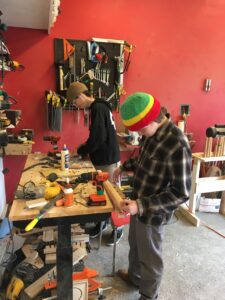
Driven by Curiosity. Grounded in Community.
While many schools today nowadays use project-based learning strategies in a class from time-to-time, it has always been a core component of an Animas education. Rigorous, in-depth projects at every grade level ask students to:
-
- Grapple with authentic, real-world questions,
- Engage in sustained, meaningful inquiry
- Choose the best way to demonstrate their understanding
- Give, receive, and use feedback
- Present their learning to authentic audiences through exhibition
Sample Projects


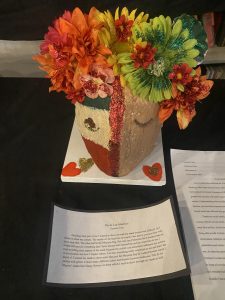

Students are supported in their transition to high school, building self-awareness, academic skills and confidence as they adjust to new expectations.
Sample Project: The Mask Project
The Socialization and Identity Project, known more informally as the “Mask Project,” is a celebrated rite of passage at Animas High School, challenging students to explore their personal identities and the societal forces that shape them. Building knowledge and skills through interdisciplinary Humanities 9 lessons, students develop an understanding of socialization by analyzing how family, media, and culture dictate expectations around identity markers such as race, gender, and class. Students synthesize this knowledge by writing reflective personal essays and hand-crafting plaster masks, visually representing both the persona they project to the world and their authentic inner selves. They present both through formal Exhibition of Learning. Read more in this 2019 article from the Animas Quill and this 2025 article from The Durango Herald.

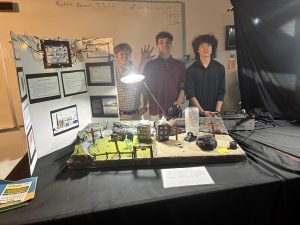
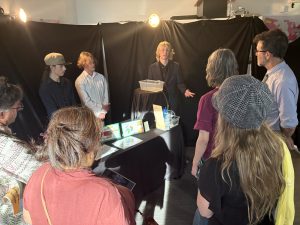


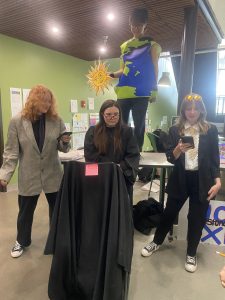

Sophomore year, students develop a deeper understanding of their place in community through challenge, collaboration and refinement.
Sample Project: The Energy Project
In this interdisciplinary Physics and Humanities project, students explore both the science and societal impacts of various forms of power generation, developing a deep understanding of where the electricity we use comes from and how choices we make affect communities and the natural world. Essential off-campus field trips to regional facilities such as hydro dams, substations and solar farms allow students to observe electrical grids in action. Students show their learning by transforming their findings into an interactive Energy Project museum, inviting their audience to consider the importance of voting in La Plata Electric Association elections and thinking critically about their energy consumption choices.



-

- Screenshot


Junior year, students refine their future path with self-directed college and career goals.
Sample Project: Courage in Democracy Project
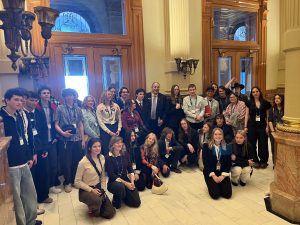
Through this Humanities 11 project, students invesitgate how individuals and grassroots movements find the courage to create change in the face of systemic political, social, and economic barriers. Students analyze foundational US governmental documents and read the novel James by Percival Everett to explore history, race, justice, morality, and courage through literature. The project integrates civic education with intensive, real-world field experience through the Denver Youth Advocacy Trip. During this program, the entire junior class travels to the state capital to engage directly with the legislative process. The experience includes participating in Charter School Advocacy Day at the State Capitol, meeting with several nonprofits including a youth engagement organization focused on harnessing young people’s political power, an affordable housing organization and an environmental issues organization, and visiting the History Colorado Center.




Seniors develop a clear understanding of their future goals while preparing for their next steps into the adult world.
Sample Project: Senior Project
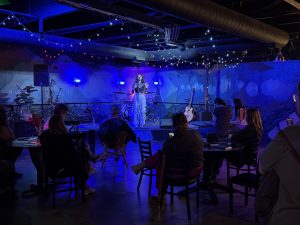
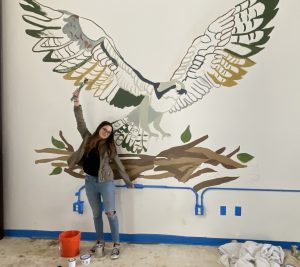
Through the Senior Project, students use the skills they have built over their years at AHS to critically examine a real-world question of their choosing. Students develop a research question, then answer that question through college-level research and a 10-20 page Senior Thesis. Through a TED talk style presentation, they defend their thesis before an audience of peers, faculty and community members. Finally, students design and execute their own Action Project, as they engage with our community and develop their own interests and passions. Senior Project research questions are interdisciplinary and authentic, covering a wide range of topics. Past Action Projects have included everything from organizing arts festivals and open mic events to building and racing a solar car. Through Senior Project, Ospreys prove that they can synthesize four years of project-based learning and successfully transition into adulthood, college and careers. View exemplary Senior Project theses, TED Talks and Action Projects here.